If you’re thinking about selling your Denver home, here’s the good news: the metro median sits at $625,000 and buyer activity jumped 29.7% between January and February 2026. Rates have settled around 6%. But this isn’t 2021 — homes aren’t flying off the market in 3 days anymore. Average days on market is 60-74, there are 8,228 active listings, and buyers are closing at 97.9% of list price instead of over asking.

So yeah, you can still get a strong result. You just can’t wing it. Price based on what your neighbor sold for 18 months ago and you’ll watch your listing sit while you chase it down with price cuts. Price it right, prep the house well, time it smart — and you’ll come out ahead.

We’ve closed hundreds of sales across the Denver metro. Here’s the playbook for 2026.

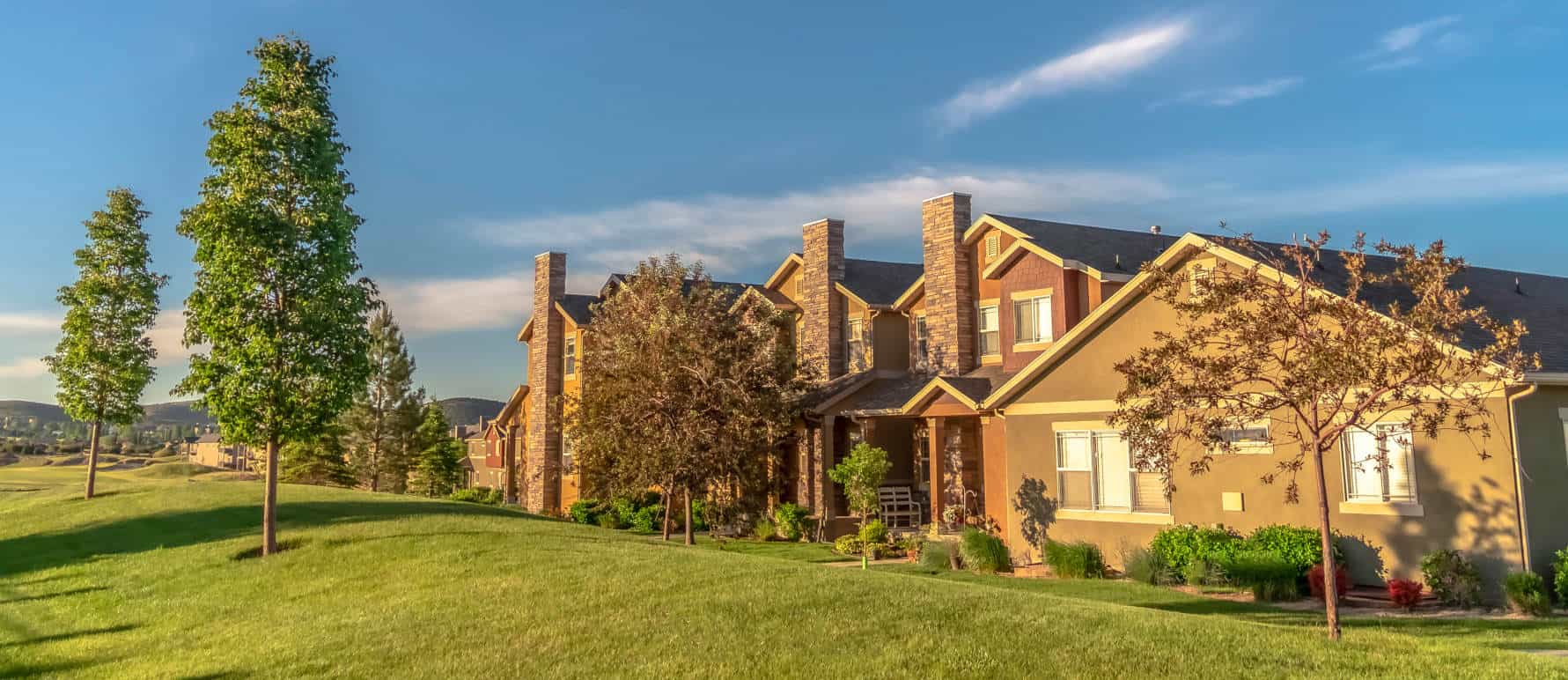
Sell my house in Denver home exterior

When to list: timing your Denver home sale

Timing matters more in Denver than most sellers realize. The data is clear — and it’s not even close.

Homes listed in May and June sell for the highest prices and spend the least time on market. June’s median sale price in Denver hits $605,000 — that’s $76,000 more than January’s $529,400. Homes listed in May average just 8 days on market. June averages 9 days. Compare that to December and January, where homes sit 42-44 days.

Why the gap? Spring brings the most motivated buyers. Families want to close before the school year starts. Relocating professionals plan summer moves. And Colorado’s weather cooperates — yards are green, natural light fills every room, and mountain views pop against blue skies.

If you can’t list in May or June, March and April are strong runners-up. Median prices run $566,000-$575,000 with 10-11 days on market. By July, both prices and speed start declining. September through February is the off-season — you’ll sell for less and wait longer. That pattern has held for 10+ years of Denver transaction data.

So if you’re planning to sell this year, start prepping now and target a late April or May listing date. Our selling team can help you build a timeline that works.

Pricing your home: the most important decision you’ll make

In 2025, 57% of Denver metro homes that sold had at least one price reduction. That’s not because the market crashed — it’s because sellers overpriced. Overpriced homes sit 5 times longer than correctly priced homes. And every extra month on market costs you $2,000-$3,000 in mortgage payments, taxes, insurance, and utilities.

Here’s how overpricing works against you: a home worth $500,000 listed at $530,000 doesn’t attract buyers who can afford $530,000 (they’re shopping in a nicer tier) and doesn’t show up in searches filtered to $500,000 (they’ll never see it). After 60 days with no offers, you cut to $510,000. Then $495,000. You end up selling for less than you would have at $500,000 because buyers may wonder why it hasn’t sold with a home that’s been sitting.

What we do instead: pull 6-8 recent comps from your specific neighborhood — not just your zip code — and price at or slightly below the competitive range. In today’s market, that generates the most showings in the first two weeks (when buyer attention is highest) and often produces multiple offers that push the final price above list.

The current sale-to-list ratio across the Denver metro is 97.9%. That means the average home sells for about 2% below asking. Price accurately and you’ll beat that average. Overprice and you’ll drag it down.

Prepping your home: what to do (and what not to do)

The average Denver seller spends about $5,400 prepping their home before listing. Here’s where that money should go — and where it shouldn’t.

Do these (high ROI):

Garage door replacement: 268% ROI. It sounds boring, but a new garage door is the single highest-returning improvement you can make. Cost: $2,000-$4,000. Return: the full amount and then some.

Front door replacement: 216% ROI for a steel entry door. About $2,435 installed, adds roughly $5,270 in perceived value. First impressions matter, and the front door is literally the first thing buyers touch.

Manufactured stone veneer: 208% ROI. Adding stone accenting to the front of your home completely changes the curb appeal. It’s one of those improvements that looks like it cost $20,000 but actually runs $10,000-$12,000.

Landscaping: The average seller spends $3,782 here, and it’s worth every dollar. Fresh mulch, trimmed hedges, seasonal flowers in the beds, and a green lawn signal “this home is maintained” before anyone walks inside.

Interior paint: $1,432 average spend. Neutral tones (warm whites, light grays, greiges) make rooms feel larger and let buyers imagine their own furniture. Don’t leave that red accent wall up — it can turn off some buyers who have trouble looking past it.

Denver home ready to sell

Don’t do these (low ROI):

Major kitchen remodel: Only 51% ROI for an upscale overhaul. A $60,000 kitchen renovation gets you back about $30,000. If your kitchen is functional and clean, a minor refresh (new hardware, paint the cabinets, replace the faucet) is a much better investment at 113% ROI for about $28,000.

Full bathroom remodel: About 80% ROI. Unless your bathroom is genuinely dated to the 1970s, spend the money on curb appeal instead. Replace the toilet and vanity if they’re rough — that costs $500-$1,000 and makes a big difference.

New roof (unless it’s failing): Buyers expect a functional roof but don’t pay a premium for a brand-new one. If your roof has 5+ years of life left, leave it. If it’s actively leaking, that’s worth addressing — but don’t replace a 15-year roof expecting to recover the $15,000-$25,000 cost.

Staging your home: the data says do it

According to NAR’s 2025 staging report, 29% of agents said staging led to a 1-10% increase in the dollar value offered. On a $625,000 Denver home, even a 2% bump is $12,500. The median cost of professional staging? $1,500. That’s an ROI north of 550%.

Staging also reduces time on market — 49% of listing agents reported staged homes sold faster. And 83% of buyers’ agents said staging helped buyers envision the property as their future home. When buyers can picture themselves living there, they write offers.

The rooms that matter most: living room (37% of buyers rank it first), primary bedroom (34%), and kitchen (23%). You don’t need to stage every room. Focus on those three plus the entryway, and you’ve covered 90% of the impact.

For vacant homes, full staging runs $1,500-$4,000 depending on size. For occupied homes, it’s often just about decluttering, rearranging, and adding a few accent pieces — $500-$1,000 when your agent handles it. Virtual staging ($35-$75 per room) works for online listings but doesn’t help with in-person showings.

Photography and marketing

Professional photography isn’t optional anymore. Every buyer’s first interaction with your home is online, and phone photos don’t cut it. Standard professional photography costs $195-$275. HDR premium packages run $350-$600 and include things like twilight shots and enhanced editing.

For homes over $500,000 — which includes most of Denver — drone photography and video walkthroughs are worth the investment. Video packages run $250-$1,500 depending on production quality. Our marketing package includes professional photos, drone aerials, virtual tours, and targeted social media advertising. We don’t just list your home on the MLS and wait — we actively market it to buyers searching in your price range and area.

Listings with professional photos sell 32% faster and for more money. That’s not a stat we made up — it’s consistent across multiple NAR studies. The $250 you spend on photography is the best marketing investment you’ll make on the entire sale.

Closing costs for Denver sellers

Sellers in Colorado typically pay about 2.49% of the sale price in closing costs (not including agent fees). On a $625,000 home, that’s roughly $15,500. Here’s the breakdown:

Owner’s title insurance: About $1,053 (0.2% of sale price). In Colorado, the seller customarily pays this — it protects the buyer against title defects.

Title service fees: About $1,148. This covers the title search, escrow services, and document preparation.

Prorated property taxes: You’ll owe taxes from January 1 through the closing date. In Denver County (0.48% effective rate), that’s about $8.40 per day on a $625,000 home.

Transfer taxes: 0.02% of sale price — about $125 on a $625,000 sale. Colorado’s transfer taxes are very low compared to other states.

Recording fees: About $40.

We walk every seller through these costs line by line before listing so there are no surprises at the closing table. Visit our FAQ page for more details on what to expect.

Denver market conditions sellers need to know

Here’s the honest picture of what you’re selling into as of early 2026:

Inventory is up. There are 8,228 active listings across the metro — about 4.29 months of supply. A balanced market is 5-6 months, so we’re close. Sellers still have a slight edge, but it’s not the extreme seller’s market of 2021-2022.

Prices are flat to slightly up. The metro median for single-family homes is $625,000, essentially unchanged year over year. Denver proper sits at $570,000, up 1.3%. Individual neighborhoods vary — Lakewood is up 7.3% while Northglenn is down 6%.

Buyers have more leverage. The 97.9% sale-to-list ratio means most sellers are accepting slightly below asking. Inspection negotiations are real again — buyers are requesting repairs and credits instead of waiving everything to win the deal.

Mortgage rates at 6% are stable. Buyers who’ve been on the sidelines are starting to accept that 6% is the new normal and entering the market. That’s bringing fresh demand into the spring selling season, which works in your favor if you’re listing soon.

For the latest numbers, check our Denver metro market report.

Denver homes with mountain views for sale

Frequently asked questions about selling a house in Denver

When is the best time to sell my house in Denver?

May and June are the clear winners. June homes sell for $605,000 median — $76,000 more than January’s $529,400. Homes listed in May average just 8 days on market versus 42-44 days in December and January. If you can’t hit May, aim for March or April as strong alternatives. Start prepping 6-8 weeks before your target listing date.

How much does it cost to sell my house in Denver?

Budget about 2.49% of the sale price for closing costs (roughly $15,500 on a $625,000 home) plus $3,000-$10,000 for prep work (staging, painting, landscaping, photography, minor repairs). The biggest variable is how much work your home needs before listing. Our team does a walk-through and gives you a prioritized list of what to fix and what to leave alone.

How long does it take to sell a house in Denver right now?

The average is 60-74 days on market as of early 2026, depending on the data source. Well-priced homes in popular neighborhoods like Wash Park, Highlands Ranch, and Centennial still sell in 2-3 weeks. Overpriced homes or those in less active areas can sit 90+ days. Pricing correctly from day one is the single biggest factor in how fast your home sells.

Should I stage my house before selling in Denver?

The data says yes. Staged homes sell faster (49% of agents report this) and for more money (29% report a 1-10% price increase). On a $625,000 home, even a 2% bump is $12,500 — and staging costs $1,500-$4,000. That’s one of the best ROIs available to sellers. Focus on the living room, primary bedroom, and kitchen for maximum impact.

Ready to sell your Denver home?

Selling a home is a big decision. Getting it right means pricing accurately, prepping strategically, and marketing effectively — and your agent’s marketing plan plays a big role in the outcome. In today’s market, a well-executed sale can put $30,000-$50,000 more in your pocket compared to one that isn’t planned out.

We’ve been helping Denver families sell my house in Denver — and we know what works in every neighborhood, from Castle Rock and Parker in the south to Brighton and Westminster in the north, and from Golden on the west to Aurora on the east.

Contact us today for a free home valuation and selling consultation. We’ll walk through your home, give you an honest assessment of what it’s worth, and build a customized plan to get you the best possible price. You can also explore our buying resources if you’re planning to purchase your next home after selling, or check our agents page to see who you’d be working with.