
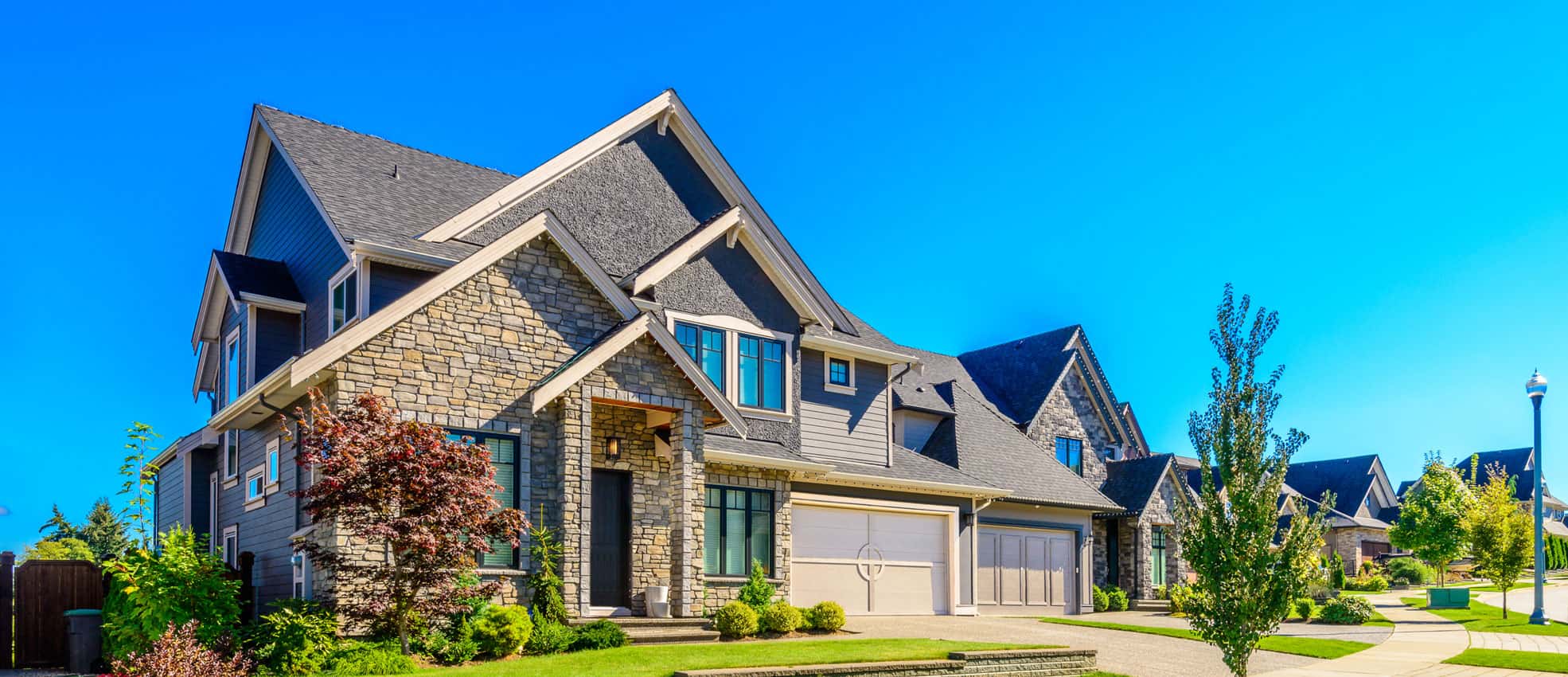
Starter home prices in the Denver metro dropped 6% in early 2026 — the biggest decline of any major U.S. metro according to DMAR. Meanwhile, a median-income household in Denver can now afford a $456,000 home, up $42,000 from a year ago. If you’re a first-time buyer Denver has been pricing out for years, the math just got a lot more favorable.
That doesn’t mean it’s easy. You still need to navigate loan options, down payment assistance programs, closing costs, and a market with more inventory than we’ve seen since 2012. We’ve walked hundreds of first-time buyers through this process across the Front Range. Here’s everything you need to know to buy your first home in Denver in 2026.
How much you actually need to buy a home in Denver
Let’s start with the number everyone worries about: the down payment. You don’t need 20%. Most first-time buyers put down far less.
FHA loans: 3.5% down with a 580+ credit score. On a $450,000 home, that’s $15,750. FHA loan limits in the Denver metro are $862,500 — well above what most first-time buyers need.
Conventional loans: 3% down for first-time buyers. That’s $13,500 on a $450,000 purchase. You’ll pay private mortgage insurance (PMI) until you hit 20% equity, typically $100–$200 per month.
VA loans: 0% down for active military, veterans, and eligible surviving spouses. If you qualify, this is the best deal in real estate.
On top of the down payment, budget 2–5% for closing costs. On a $450,000 home, that’s $9,000–$22,500 — covering the appraisal ($500–$700), home inspection ($400–$600), title insurance, lender fees, and prepaid property taxes. Your lender will give you a Loan Estimate within 3 days of application that breaks this down to the dollar.
The realistic minimum to buy a $450,000 starter home with FHA: about $25,000–$38,000 out of pocket. Which is exactly why down payment assistance programs exist.
Down payment assistance for first-time buyers in Denver
Colorado has some of the best down payment assistance in the country. Per CHFA (Colorado Housing and Finance Authority), you can stack multiple programs together, and some are outright grants that never need to be repaid.
CHFA FirstStep Plus: Up to $25,000 or 4% of your mortgage (whichever is less) as a 0% interest second mortgage. No monthly payments — you repay when you sell, refinance, or move out. Requires a 620 credit score and a CHFA-approved homebuyer education course. Minimum borrower contribution is just $1,000, which can be gifted.
CHFA Grant: Up to 3% of your mortgage, capped at $25,000. True grant — no repayment required. Covers down payment or closing costs. Can be used alongside other CHFA programs.
CHFA FirstGeneration: For first-generation homebuyers (neither you nor your parents ever owned a home) and former foster care youth. Up to $25,000 in deferred assistance. Launched July 2024.
MetroDPA: Denver-specific program offering up to 5% of your loan amount, structured as a 3-year forgivable second mortgage at 0% interest with no monthly payments. Income limit: $150,000 household. The Social Equity component can add $15,000–$25,000 with no repayment for eligible buyers.
NeighborhoodLIFT: $15,000 in down payment assistance for properties in Adams, Arapahoe, Denver, Douglas, or Jefferson County.
Between these programs, a qualifying buyer could receive $40,000–$50,000 in assistance — enough to cover the entire down payment and closing costs on a $400,000 home.
Most affordable neighborhoods for first-time buyers
The Denver metro median is $570,000, but several cities and neighborhoods offer solid housing stock under $450,000 — especially right now with starter home prices declining.
Commerce City: The most affordable option in the metro. Overall median around $407,000, with sub-neighborhoods like Monaco ($372,000) and Adams Heights ($360,000) dipping lower. 15–20 minutes from downtown via I-76 or I-270.
Aurora: Median around $450,000–$458,000 for single-family, with condos starting at $255,000. Aurora has the most inventory in the metro — 382 condos and hundreds of single-family homes listed at any given time.
Northglenn: Median around $460,000–$475,000 and prices declining — down 6% year over year. Close to I-25 for commuting, with a recently redeveloped town center.
Westminster: Median $565,000–$567,000 overall, but older sections near 72nd Avenue and Federal have properties in the low $400,000s.
Brighton: Median $529,000, with newer construction starting lower. About 30+ minutes to downtown, but you get more house — bigger lots, newer builds, and a small-town feel.
Thornton: Median around $525,000. Northern sections near 144th Avenue offer newer townhomes and paired homes in the low $400,000s.
For more details on each area, see our Colorado relocation guides.
What the buying process looks like step by step
The typical timeline from first search to closing is 2–4 months. Here’s what happens at each stage:
Step 1: Get pre-approved (1–3 days). Before you look at a single home, talk to a lender. They’ll review your income, credit score, debts, and assets to tell you exactly what you can borrow. Without a pre-approval letter, your offer won’t be considered in most cases.
Step 2: Find an agent (1–2 days). Your agent guides you through the entire process. Look for someone who specializes in first-time buyers and knows the neighborhoods you’re targeting.
Step 3: House hunt (2–8 weeks). Your agent sets up MLS alerts based on your criteria. With 53–74 days average on market per DMAR, you have more time to be deliberate than buyers did in 2021 or 2022.
Step 4: Make an offer (1–3 days). Your agent drafts the offer: price, earnest money (typically 1–2% of purchase price), inspection contingencies, and financing terms. The seller responds — accept, counter, or reject.
Step 5: Under contract (30–45 days). Once accepted, you’ll complete a home inspection ($400–$600), the lender orders an appraisal ($500–$700), and the title company runs a title search. In Colorado, you typically have 10 days to complete inspections and negotiate repairs.
Step 6: Closing (1 day). You sign roughly 100 pages of documents, wire your down payment and closing costs, and pick up your keys. Per CAR, the average Colorado buyer pays 2–5% of the purchase price in closing costs.
Property taxes and ongoing costs
Colorado ranks 9th-lowest in the country for effective property tax rates. Here’s what you’ll pay by county:
- Denver County: 0.48% effective rate, about $3,071/year on a median-priced home (~$256/month)
- Adams County (Commerce City, Thornton, Northglenn): 0.60%, about $3,113/year
- Arapahoe County (Aurora, Centennial, Englewood): 0.52%, about $3,057/year
- Jefferson County (Lakewood, Golden, Wheat Ridge): 0.51%, about $3,434/year
- Douglas County (Castle Rock, Highlands Ranch, Parker): 0.61%, about $4,548/year — higher rates, but some of the best schools in the state
Beyond property taxes, budget for homeowner’s insurance ($1,200–$2,400/year), utilities ($150–$300/month), and maintenance (roughly 1% of your home’s value per year). On a $450,000 home, that’s about $4,500 annually set aside for repairs.
Common mistakes first-time buyers make in Denver
Skipping pre-approval. Sellers are much more likely to consider offers from pre-approved buyers. It also keeps you focused on homes within your actual budget. Get pre-approved first. Always.
Ignoring total monthly cost. Your mortgage payment isn’t your only housing expense. Add property taxes, insurance, HOA fees, PMI, utilities, and maintenance. A $450,000 home at 6%, 3.5% down, with a $300/month HOA might cost $3,500–$3,800/month total. Make sure you can handle that number.
Waiving inspections. In today’s slower market, there’s no reason to waive the inspection contingency. It’s your chance to discover foundation conditions, roof wear, plumbing age, and electrical issues before they become unexpected repair bills.
Not researching the neighborhood. Drive through at different times of day. Check school ratings. Look at what’s planned nearby — a new light rail station can boost your property value; a proposed highway expansion is worth knowing about first.
Using the first lender you talk to. Rates and fees vary significantly. Get quotes from at least 3 — your bank, a credit union, and an online lender. On a $400,000 loan, a 0.25% rate difference saves about $20,000 over 30 years.
Frequently Asked Questions
How much does a first-time home buyer in Denver need for a down payment?
As little as 3% with a conventional loan or 3.5% with FHA. On a $450,000 home, that’s $13,500–$15,750. Colorado’s CHFA programs offer up to $25,000 in assistance — some of it a true grant that never needs to be repaid. Many first-time buyers combine programs to cover most or all of their down payment and closing costs.
What’s the most affordable city for a first-time buyer near Denver?
Commerce City is the most affordable, with medians around $360,000–$407,000 depending on the neighborhood. Aurora ($450,000 median, condos from $255,000) and Northglenn ($460,000–$475,000 and declining) are also strong options for budget-conscious buyers.
What credit score do I need to buy a home in Denver?
FHA loans require a minimum 580 for the 3.5% down option. Conventional loans typically need 620–640. CHFA programs require 620; MetroDPA requires 640–660 depending on loan type. A score of 740+ gets you the best interest rates, which can save tens of thousands over the life of the loan.
Is 2026 a good time for a first-time buyer in Denver?
By several measures, yes. Per DMAR, starter home prices dropped 6% — the biggest decline nationally. Inventory is near record highs, giving buyers more choices and negotiating power. Mortgage rates around 6% are down from 6.63% a year ago. And down payment assistance programs are fully funded. That combination of lower prices, more inventory, and better financing hasn’t existed since before the pandemic.
Data sources used in this article:
DMAR Denver Metro Market Trends Reports, 2025–2026
Colorado Association of Realtors Market Trends, 2025–2026
CHFA Colorado Housing and Finance Authority — Homeownership Programs
Colorado Department of Revenue — Property Tax Data
About the author: Zaynab Sepahi is a licensed Colorado Realtor® and founder of ZBell Real Estate, with over 15 years of experience in the Denver Metro market. She has helped hundreds of buyers and sellers across Denver, Boulder, Colorado Springs, and surrounding suburbs. ZBell has earned 100+ five-star reviews on Google, Zillow, and Realtor.com. Learn more about Zaynab.